Horse racing weights and the handicap
The allocated weight is part of the conditions under which a runner competes. Handicap races use weight to frame the contest, but the number still needs context.
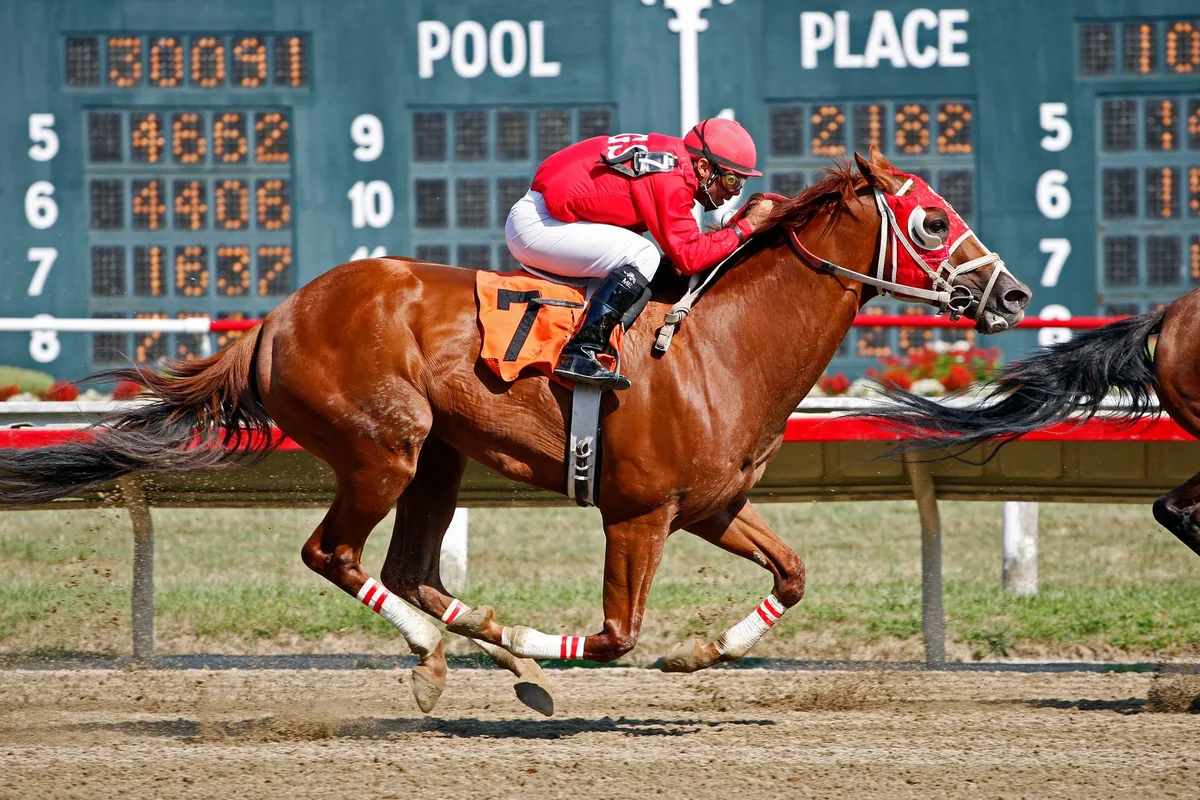
Understand what the allocation represents
In a handicap, higher-rated runners generally receive more weight with the aim of bringing competitors closer together. In weight-for-age races, allocations follow the race conditions rather than a handicap rating alone.
Read the race type before comparing two numbers. The same weight can carry a different meaning in a handicap, a set-weight event or a weight-for-age contest.
Account for claims and changes
An eligible apprentice claim can reduce the weight carried under the applicable conditions. Confirm the final rider and claim rather than relying on an early form display.
A rise or drop after a previous run can reflect class, ratings and race conditions. It is not automatically negative or positive without considering the opposition and the horse’s established performance.
Avoid false precision
Small weight differences attract attention, but their effect cannot be separated neatly from tempo, barrier, distance, track and luck. Treat weight as one variable in the form puzzle.
Longer distances and handicap scenarios can make the allocation especially relevant, yet there is no universal conversion from kilograms to lengths that applies in every race.
How weights are set
In a handicap, the weights are assigned to give every runner a similar chance. The top weight carries the most, and the rest are compressed beneath it according to their ratings. The spread between top and bottom weight is the handicap’s opinion of the field.
In a set-weights race — a Group 1, a weight-for-age race — the weights are fixed by the conditions: age, sex and race status. There is no compression, which is why a class horse can give weight away and still win.
Weights include the jockey’s allowance in some cases and not others, so read the conditions. A 2kg claiming apprentice can effectively remove part of the handicap.
When weight matters less than it looks
A common rule of thumb is that 1kg is worth about a length and a half over 1600 metres, and less over shorter trips. That is a rough conversion, not a law, and it assumes everything else is equal — which it rarely is.
Weight matters most when the margins between runners are small and the trip is long. It matters least in small fields, on wet tracks, and in slowly run races where the sprint home decides the result.
The bigger question is usually how the weight affects the horse’s racing style. A front-runner carrying top weight may be forced to work harder early, which costs more than the number itself suggests.
Common questions
01What is a handicap horse race?
It is a race where weights are allocated with the aim of equalising competitors based on assessed ability under the race conditions.
02What is an apprentice claim?
It is a permitted reduction in allocated weight for an eligible rider under specified conditions. The official final details should confirm it.
03Does less weight always help?
Not in isolation. Rider, class, tempo and other factors can outweigh a simple comparison of allocations.
04How much is 1kg worth in horse racing?
Roughly a length and a half over 1600 metres, and less over shorter distances. It is an approximation, and it matters most when margins are small.
05Do weights include the jockey?
The declared weight is the total carried, including the jockey and gear. Claiming apprentices reduce the effective weight, so check the conditions for allowances.
This is general educational content for adults, not a live selection or financial advice. Odds, fields and rules change. Set affordable limits and never chase losses.